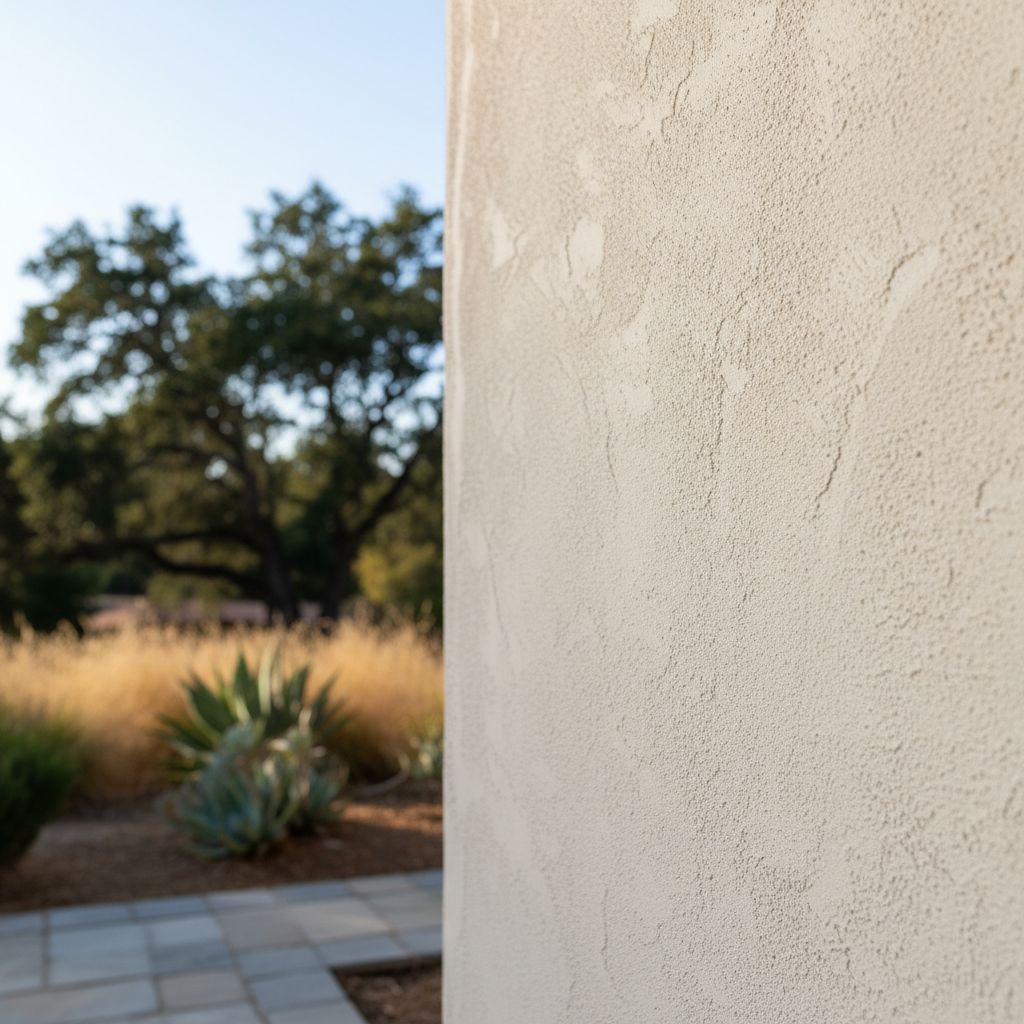
Alright, so you're looking at your stucco, and it's seen better days. Maybe it's got cracks, water stains, or it's just plain old and tired. You're thinking about a full stucco replacement, and that's a big project. I've been doing this for years here in Atherton, and I've seen folks try to DIY too much, and I've also seen others pay for things they could've handled themselves. Let's break down what you really need to know.
Before You Start: Planning and Prep
First off, don't just jump in. A full stucco replacement isn't like painting a bedroom wall. There's a lot involved, especially when you're dealing with weatherproofing and structural integrity. You've got to figure out what kind of stucco you have now, and what you want to replace it with. Are we talking traditional three-coat stucco, or something else entirely? This matters because the prep work changes depending on your choice.
- Assess the Damage: Walk around your house. Take pictures. Note every crack, every bulge, every area where the paint is peeling or the stucco looks soft. This gives you a good baseline to work from.
- Understand Your Goals: Are you just fixing a problem, or are you looking for a whole new look? Do you want to change the color, texture, or even add architectural details? Think about it.
- Permits: This is a big one. In Atherton, you're almost certainly going to need a permit for a full stucco replacement. Don't skip this step — seriously. The city wants to make sure the work is done right, especially when it involves the exterior envelope of your home. You don't want to get halfway through and have to stop because you didn't pull the right paperwork.
- DIY Prep Work: What can you do yourself? You can clear shrubs and plants away from the house. You can remove downspouts, light fixtures, and anything else attached to the walls that will get in the way. You can even pressure wash the existing stucco to get a clearer view of the damage, though be careful not to force water into existing cracks.
During the Project: The Nitty-Gritty
This is where things get serious. Stucco replacement involves removing the old stuff, inspecting the sheathing underneath, making repairs, and then applying new layers. This isn't a weekend warrior job for most homeowners, believe me.
- Demolition: Taking off old stucco is dusty, dirty, and can be dangerous. You're dealing with heavy materials, and sometimes lead paint or asbestos if your house is old enough. This is usually best left to pros who have the right safety gear and disposal methods.
- Substrate Inspection: Once the old stucco is off, you'll see the building paper, wire lath, and maybe even the sheathing. This is a critical point. We often find hidden water damage, rot, or even termite issues, especially in older homes around areas like Lindenwood where mature trees can create damp conditions. A professional knows what to look for and how to properly repair these issues before the new stucco goes on. If you just cover up rot, you're setting yourself up for bigger problems down the road.
- New Stucco Application: This is where the skill really comes in. Applying stucco correctly involves multiple layers, precise mixing, and proper curing times. The scratch coat, brown coat, and finish coat each have their own purpose. Getting the right thickness, consistency, and texture is an art. If it's not done right, you'll end up with cracks, poor adhesion, or an uneven finish that looks bad and won't last. This is definitely a job for experienced stucco contractors.
- Flashing and Weep Screeds: These are tiny details that make a huge difference in keeping water out of your walls. Proper flashing around windows and doors, and correctly installed weep screeds at the base of the wall, are non-negotiable. Don't skimp here; it's too important.
After the Stucco is On: Finishing Touches and Maintenance
The hard part's over, but you're not quite done. There are still things to consider once the new stucco is in place.
- Curing: New stucco needs time to cure properly. Don't rush to paint it. Your contractor will tell you how long to wait, but it's usually several weeks. If you paint too soon, you can trap moisture and cause problems.
- Painting: Once it's cured, you might want to paint. You can absolutely do this yourself if you're comfortable with ladders and have good painting skills. Just make sure you use a high-quality, breathable elastomeric paint designed for stucco. Don't use regular house paint; it won't hold up.
- Reinstalling Fixtures: Putting your lights, downspouts, and other attachments back up is a DIY-friendly task. Just be careful not to damage the fresh stucco.
- Ongoing Maintenance: Keep an eye on your new stucco. Look for any hairline cracks that might appear over time, especially after a hot summer followed by our wet winters. Keep your gutters clean and make sure water is draining away from your foundation.
Look, I'm not going to tell you that you can't do any of this yourself. You can definitely handle the prep work and some of the finishing touches. But for the actual removal, substrate repair, and application of new stucco, you really want to call in a pro. There's too much at stake in terms of your home's protection and value to cut corners. At Apex Stucco Solutions, we've seen firsthand what happens when stucco replacement isn't done correctly, and it's always more expensive to fix later. Get a few quotes, ask for references, and make sure whoever you hire knows their stuff when it comes to local building codes and conditions.